
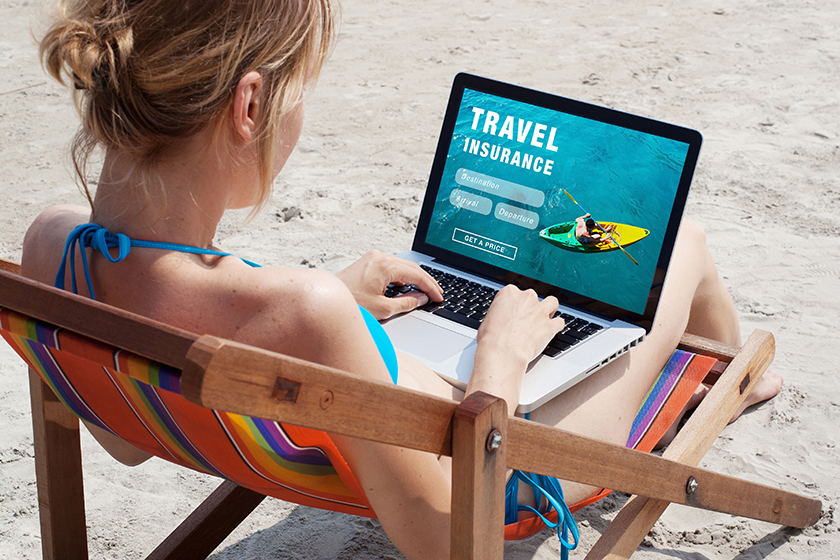
Traveling should be exciting, not stressful. Yet, one unforeseen event—a canceled flight, lost baggage, or medical emergency—can turn a dream trip into a nightmare. That’s where insurance comes in.
But with countless policies and providers, how do you know which one is right for you? Choosing the best travel insurance is about finding the right coverage for your needs. Understanding the differences in policies and knowing what to look for can help you travel with confidence.
Why Travel Insurance Matters
Unexpected problems can arise at any time, even for the most prepared travelers. Medical emergencies, flight disruptions, lost luggage, and even natural disasters can derail your plans. Without insurance, these situations can lead to significant financial loss and logistical headaches.
Some destinations require proof of coverage before entry, while others simply recommend it. Regardless of the rules, having a reliable policy ensures you won’t be stuck paying for emergencies out of pocket. Whether you’re going on a short getaway or an extended trip, the right insurance plan can make all the difference.
Understanding Travel Insurance Coverage
Not all policies are the same. Some focus on medical emergencies, while others cover trip cancellations or lost belongings. Before you start comparing providers, it’s essential to understand the different types of coverage available.
- Medical Emergencies and Healthcare Costs
Medical expenses abroad can be overwhelming. Even minor treatments can be costly, and in some countries, hospitals may refuse treatment if you can’t pay upfront. A strong travel insurance policy covers doctor visits, hospital stays, medications, and emergency procedures.
Certain policies also include emergency evacuation and repatriation, which are important if you’re traveling to remote areas or high-risk destinations. If you require medical transport back to your home country, these costs can add up quickly.
- Trip Cancellations, Interruptions, and Delays
Life is unpredictable and sometimes plans change. A solid policy reimburses you for non-refundable expenses if your trip gets canceled or interrupted due to illness, natural disasters, airline strikes, or family emergencies.
Flight delays and missed connections can be frustrating. Some policies provide compensation for additional accommodation, meals, or rebooking costs if your travel is unexpectedly disrupted.
- Baggage Loss, Theft, and Personal Belongings
Losing your luggage can ruin the start of a trip. Insurance can cover the cost of replacing lost or stolen items, from clothing to essential documents. Some policies even provide reimbursement for delayed baggage, so you can buy necessities while waiting for your belongings.
- Coverage for Adventure Activities and High-Risk Travel
Not all insurance policies cover high-risk activities. If you’re planning to go scuba diving, skiing, or trekking, check if your policy includes adventure sports coverage. Some insurers offer specialized plans for these activities, ensuring you’re covered in case of accidents.
- Travel Insurance Vs. International Health Insurance
While international travel insurance protects you for short trips, it isn’t designed for long-term stays abroad. If you’re moving, studying, or working overseas, you’ll need international health insurance to ensure continuous medical coverage. These plans provide comprehensive healthcare benefits, including routine check-ups, specialist visits, and long-term treatment options.
Friendly Global is here to help you get the right plan for your needs, regardless of the length of your trip and your specific requirements.
How to Compare Travel Insurance Providers
With so many providers, finding the right plan takes more than a quick online search. You need to assess coverage details, pricing, and reliability.
- Understanding Policy Inclusions and Exclusions
Many travelers assume they’re fully covered, only to find out certain situations are excluded. Read the fine print carefully. Some common exclusions include:
- Pre-existing medical conditions
- Injuries from extreme sports
- Civil unrest or acts of war
- Travel to high-risk countries
A policy that looks great on the surface may have restrictions that leave you vulnerable. Always check the terms before purchasing.
- Evaluating Customer Service and Claim Processes
A policy is only as good as the support behind it. Look for providers with 24/7 assistance and a straightforward claims process. Reviews and testimonials can give insight into how quickly companies respond to emergencies and process reimbursements.
- Cost Vs. Value: Finding the Right Balance
While cost is a factor, prioritizing price over protection can leave you vulnerable when it matters most. A budget policy may save money upfront, but it often comes with low coverage limits, high deductibles, and exclusions that could leave you paying out of pocket in an emergency.
A slightly more expensive plan with comprehensive medical coverage, trip protection, and emergency evacuation can prevent financial headaches later. Consider where you’re traveling and what risks you might face.
Medical care in some countries is far more expensive than in others, meaning higher coverage limits are essential. If you’re carrying valuable electronics or sporting equipment, a policy with higher baggage loss coverage is worth the investment. Travelers engaging in adventure activities should ensure their plan includes high-risk sports coverage, even if it costs more.
A strong policy balances affordability with real protection. The goal isn’t to overspend but to ensure that if the unexpected happens, you won’t be left with overwhelming costs. The best travel insurance isn’t always the cheapest—it’s the one that provides real peace of mind when you need it most.
How to Purchase Travel Insurance
The process should be simple and transparent. Many providers offer online quotes, allowing you to compare plans easily. Be sure to enter accurate details about your trip, including destinations, duration, and any planned activities.
If you’re unsure about which plan suits your needs, working with a provider that specializes in travel insurance can help simplify the decision. Friendly Global guides travelers through the selection process to ensure they find the most suitable policy.
Once you’ve chosen the right plan, the next step is figuring out how to get travel insurance. Many travelers buy policies directly from insurance providers, while others prefer working with a broker to compare options. Some credit cards also offer travel protection, but these policies often have limitations.
Before completing your purchase, double-check the coverage details and ensure you meet any destination-specific requirements. Some countries require proof of insurance upon entry, so having the right documentation ready is essential.
Avoiding Common Mistakes
Buying travel insurance may seem straightforward, but many travelers make errors that can lead to denied claims or inadequate coverage. Some common mistakes include:
- Choosing the cheapest plan without checking coverage limits
- Not declaring pre-existing medical conditions
- Overlooking country-specific insurance requirements
- Assuming credit card insurance provides full protection
A little research goes a long way in ensuring you have a policy that truly meets your needs.
Choosing the Right Travel Insurance for Your Needs
Not all travelers have the same risks or priorities, which is why finding the right insurance plan requires more than just picking the first available option. The best coverage depends on your destination, trip duration, planned activities, and personal health needs.
Frequent travelers may benefit from an annual multi-trip policy rather than purchasing separate coverage for every journey. Those heading to remote locations should prioritize emergency evacuation coverage. If you’re traveling with valuable equipment like cameras or laptops, a policy with higher coverage limits for lost or stolen items is a must.
Different policies cater to different types of travelers. Families need coverage that includes children, while digital nomads and long-term expats should consider international health insurance instead of standard travel insurance. Adventure seekers should confirm that their activities—such as diving, paragliding, or skiing—are included in their policy, as many standard plans exclude high-risk sports.
How Much Should Travel Insurance Cost?
The cost of travel insurance varies depending on coverage limits, duration, age, and destination. A short trip with basic coverage will cost significantly less than a long-haul journey requiring medical evacuation protection. While it may be tempting to choose the cheapest option, lower-cost plans often have restrictions that make them nearly useless in an emergency.
Medical coverage is the most important part of any policy, and skimping on it to save a few dollars can be a costly mistake. Travelers heading to countries with expensive healthcare systems, such as the United States, Canada, or Switzerland, should ensure their policy includes high medical coverage limits.
Trip costs also factor into insurance pricing. If you’re booking a luxury vacation with non-refundable deposits, trip cancellation coverage becomes essential. The more coverage you require, the higher the cost, but balancing affordability with adequate protection is key.
When Should You Buy Travel Insurance?
The best time to buy travel insurance is immediately after booking your trip. Waiting too long can be risky, as most policies do not cover events that happen before purchase. If you fall ill or your trip is disrupted before securing coverage, you won’t be able to file a claim.
Some policies offer additional benefits for those who purchase coverage early, such as Cancel for Any Reason (CFAR) add-ons, which allow greater flexibility in cancellations. If you’re traveling during peak seasons, political instability, or unpredictable weather conditions, securing your policy in advance provides peace of mind.
Understanding the Claims Process
Having travel insurance doesn’t mean much if you can’t access benefits when necessary. Knowing how the claims process works before an emergency arises can prevent delays and frustration.
Keeping copies of all receipts, medical reports, and incident documentation is essential for smooth processing. Most insurers require proof of expenses before reimbursing claims. If your flight is delayed, getting a confirmation statement from the airline is necessary. In cases of theft or lost baggage, a police report is usually required.
Some policies offer direct billing for medical services, meaning you won’t have to pay out of pocket and seek reimbursement later. This can be invaluable in emergencies, particularly in hospitals that require upfront payment.
Reading reviews and checking a provider’s claims reputation is a good way to assess reliability. Some insurers process claims quickly, while others have a reputation for delays. Choosing a company with a strong customer support system ensures that you can reach for help whenever you need it.
How Travel Insurance Fits Into Your Overall Travel Planning
Many travelers only think about insurance as an afterthought, but it should be an integral part of trip planning. Just as you research flights, hotels, and activities, selecting the right policy is an important step.
Before finalizing a policy, check your destination’s entry requirements. Some countries require proof of travel insurance at immigration, particularly for visa applications. Others mandate coverage for specific risks, such as COVID-19-related expenses.
For long-term travelers, balancing travel insurance with international health insurance ensures complete protection. While travel insurance covers emergencies, international health plans provide access to routine medical care, specialist visits, and prescriptions, making them essential for expats, students, and digital nomads.
Frequently Asked Questions
- Do I need travel insurance for domestic trips?
It depends. While domestic travelers may not need medical coverage, trip cancellation, baggage loss, and rental car insurance can still be useful. Policies vary by provider, so check what applies to local travel.
- Can I extend my travel insurance while abroad?
Some insurers allow extensions, but policies differ. It’s best to purchase a plan that covers your entire trip duration from the start, as extending coverage after departure may not always be an option.
- What happens if my travel insurance claim is denied?
If your claim is denied, check the policy’s terms to ensure you met the requirements. Common reasons for rejection include lack of documentation, policy exclusions, or pre-existing conditions. Contact your insurer’s support team for clarification or appeal options.
- Does travel insurance cover natural disasters or political unrest?
Many policies cover trip cancellations due to natural disasters or political instability, but this depends on the specific terms. Some insurers exclude events declared as “known risks” if they were publicized before policy purchase.
- Can I get travel insurance if I have a pre-existing medical condition?
Some providers offer coverage for pre-existing conditions, but you must disclose them when purchasing your policy. Failure to do so may lead to claim denial if a medical emergency arises from a pre-existing condition.
Travel Smart, Stay Protected
A great trip isn’t just about the places you visit—it’s about traveling with confidence, knowing you’re covered if something goes wrong. The right insurance plan ensures that unexpected situations don’t ruin your adventure or leave you with overwhelming costs.
Whether you need coverage for a short getaway, a high-risk expedition, or long-term health insurance abroad, taking the time to choose the right plan is a decision you won’t regret. We help travelers find the coverage that fits their needs, making the process simple and stress-free. Get your quote today and travel worry-free with Friendly Global.