
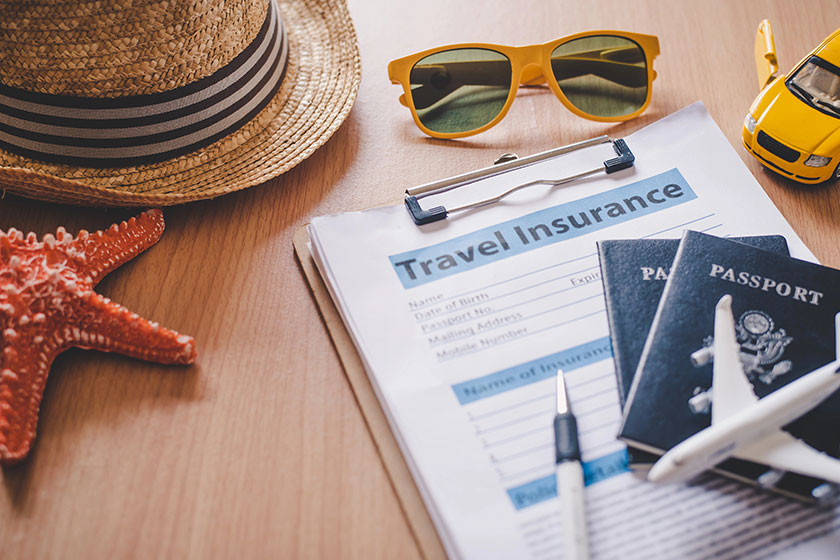
When planning your travel adventures, buying travel insurance is a smart move to protect against the unexpected. However, not all incidents or expenses are covered under standard travel insurance policies. What does travel insurance not cover?
Getting the answer to this question can help you make more informed decisions about additional coverage you might need and how to plan for contingencies that aren’t covered. In this detailed exploration, we’ll uncover the typical exclusions found in many travel insurance policies and discuss why these limitations might impact your travel planning.
Surprising Exclusions: Common Assumptions Travelers Make About Travel Insurance Coverage
Many travelers assume that once they’ve purchased travel insurance, they’re covered for any travel-related mishap. However, policies often exclude specific situations, leaving travelers with unexpected costs. Here are some of the most common misconceptions about travel insurance.
- “I’m covered if I cancel for any reason.”
Trip cancellation insurance typically only covers cancellations due to specific, listed events, like illness or severe weather. For more flexibility, look for a “cancel for any reason” add-on.
- “All medical issues are covered abroad.”
While travel insurance generally covers medical emergencies, routine check-ups, pre-existing conditions, and certain treatments may be excluded.
- “Baggage protection means I’ll be reimbursed for all my belongings.”
Baggage coverage often includes limits on valuable items, like electronics and jewelry. If you’re carrying high-value belongings, check the policy limit or consider additional coverage.
High-Risk Activities and Adventure Sports: Know Before You Go
Adventure sports and high-risk activities are often excluded from standard travel insurance policies. If you’re planning activities like skiing, scuba diving, rock climbing, or bungee jumping, it’s important to confirm your coverage. Many policies either exclude these activities or offer them as an add-on for an additional premium.
For adventure travelers, a policy that includes high-risk sports coverage is a smart investment. This way, you’re protected in case of injury during extreme sports, which can often require costly medical attention and even evacuation. If your travels are particularly active, read through your policy carefully to determine what’s included and consider purchasing specialized coverage.
Pre-Existing Conditions: What You Need to Disclose and When
A noteworthy exclusion in travel insurance is related to pre-existing medical conditions. Standard policies usually exclude coverage for conditions you’ve received treatment for within a certain timeframe before your trip. However, some policies offer waivers for pre-existing conditions, typically if you purchase insurance soon after booking your trip and meet certain criteria.
If you have a condition that might require treatment while traveling, it’s essential to disclose it and understand your policy’s limitations. Otherwise, you could be responsible for all medical expenses related to that condition.
For those planning extended stays abroad, consider international health insurance, which offers more comprehensive, ongoing healthcare coverage, including treatment for pre-existing conditions.
Why Negligence Matters: Situations Where Carelessness Can Void Your Coverage
Travel insurance doesn’t cover losses or injuries resulting from negligence. For example, if you leave your bag unattended in a public place and it gets stolen, your policy likely won’t cover the loss. Similarly, injuries sustained from reckless behavior, like ignoring safety warnings, may also be excluded.
To ensure you’re protected, keep your belongings secure, avoid risky behavior, and follow local laws and regulations. Taking these precautions can help prevent issues and ensure your insurance remains valid if an unexpected situation arises.
Alcohol and Substance Use: When Insurance Stops Covering You
Another common exclusion in travel insurance relates to incidents that occur under the influence of alcohol or drugs. If you’re injured, lose belongings, or require assistance after consuming alcohol or drugs, your insurer may deny the claim. This exclusion is standard across most policies, as insurers view substance-related incidents as avoidable risks.
For example, if you’re involved in an accident or lose your passport after drinking, your claim may not be covered. While it’s fine to enjoy a drink on vacation, it’s essential to stay within safe limits and be mindful of the impact alcohol can have on your coverage.
Civil Unrest and Political Issues: Why Some Destinations May Not Be Covered
Traveling to politically unstable destinations can be risky, and many travel insurance policies exclude coverage in areas with active travel advisories. If your destination is affected by civil unrest, riots, or other political issues, your policy may not cover any related disruptions, including trip cancellations or evacuations.
Before booking a trip to an area with potential instability, check your policy’s destination restrictions. Policies often align with government-issued travel advisories, so consult sources like the U.S. Department of State or other local agencies to determine whether your travel insurance will apply.
Missed Flights Due to Personal Error
Missing a flight due to personal error—such as arriving late at the airport or misreading your itinerary—generally isn’t covered by travel insurance. Policies usually exclude coverage for missed flights that occur because of personal mistakes, meaning you’ll be responsible for rebooking costs if you don’t make it on time.
To avoid this pitfall, double-check flight times and plan to arrive at the airport early. If a missed connection or delay is due to factors outside your control, like a severe weather event, your travel insurance is more likely to offer support for rebooking or accommodation expenses.
Natural Disasters: Why Timing Can Impact Your Claim
Natural disasters, such as hurricanes, earthquakes, and floods, are generally covered by travel insurance, but only if you purchase the policy before the disaster becomes a known event. Once a storm or other natural event is forecasted or publicly announced, any related claims may be excluded.
If you’re traveling during a season prone to natural disasters, it’s wise to buy travel insurance as early as possible to ensure coverage. Being proactive in this way can prevent issues later and ensure you’re eligible for protection if your plans are disrupted by severe weather.
Illegal Activities and High-Risk Behavior: Where Insurance Won’t Protect You
If you engage in illegal activities or behavior considered reckless by insurers, any related claims will likely be denied. For example, injuries sustained while breaking local laws or engaging in dangerous actions like cliff jumping or street racing are often excluded.
While traveling, be mindful of local laws and avoid high-risk activities not included in your coverage. This approach helps you stay within the bounds of your policy and prevents potential issues if you need to file a claim.
FAQs: Your Travel Insurance Exclusions Questions Answered
Will travel insurance cover me if my bag is stolen while I’m distracted?
No, most policies exclude losses due to negligence, meaning if you leave your belongings unattended, the claim may be denied. Keep your items secure to ensure they’re protected.
Does travel insurance cover adventure sports like paragliding?
Standard policies typically don’t cover high-risk activities, but some insurers offer add-ons for adventure sports. Check with your provider if you plan to participate in such activities.
Are medical emergencies covered if I have a pre-existing condition?
Some policies exclude pre-existing conditions unless you purchase a waiver. Confirm with your provider to understand your options.
Will my insurance cover me if I miss a flight due to personal error?
No, personal errors, such as arriving late, are not usually covered. Travel insurance generally only covers missed flights due to events beyond your control.
Does travel insurance include political evacuation coverage?
Coverage for political evacuations varies. Check your policy to see if this is included or requires an add-on for regions with travel advisories.
Understand Your Coverage to Avoid Surprises
Travel insurance offers essential protections, but knowing what travel insurance does not cover helps you travel with confidence and avoid unexpected costs.
Friendly Global helps travelers find domestic and international travel insurance coverage that matches their needs. We believe in empowering you with comprehensive knowledge about your travel insurance. By understanding the exclusions of your policy, you can take proactive steps to mitigate potential uncovered risks and choose additional coverage options that align with your travel needs. Looking for a travel insurance policy that fits your unique travel plans? Reach out to us to find tailored insurance solutions that offer the protection you need. Don’t let uncovered events ruin your travel experience—choose the right policy and travel with confidence.