
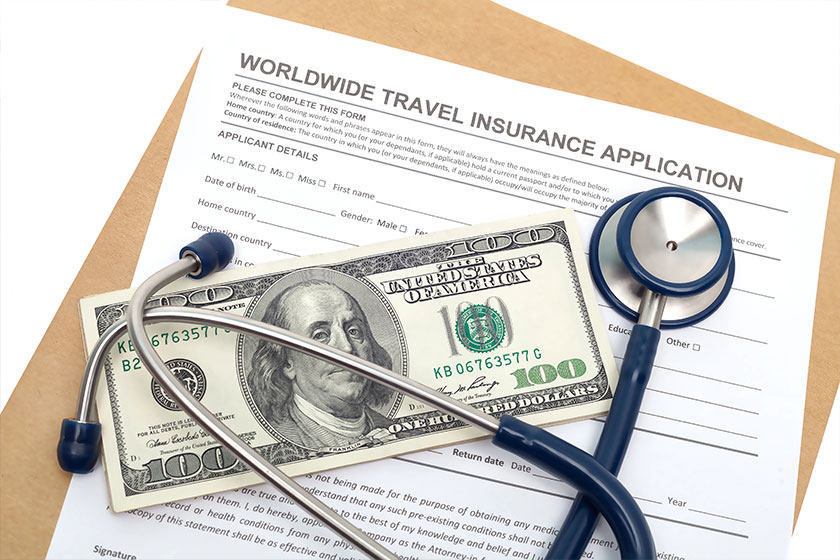
Traveling abroad opens up a world of unforgettable experiences, but it also comes with certain risks. A sudden illness, an unexpected injury, or a medical emergency can arise without warning, potentially leading to costly medical bills and logistical challenges.
Travel medical insurance is designed to protect you from these unexpected expenses, providing critical support in emergencies when you’re far from home. This article explores how travel medical insurance works, the types of emergencies it covers, and why securing the right coverage can make all the difference in ensuring a safe, stress-free trip.
At Friendly Global, we specialize in helping travelers find the right international travel insurance policy with ease. By connecting you with the best options for your needs, we simplify the process and help you prepare to handle the unexpected.
Why Travel Medical Insurance Is Important
Travel medical insurance is one of the most important investments you can make for a trip, especially for destinations where healthcare costs are high or where you may be far from quality medical facilities. Unlike standard health insurance policies that may not extend to international care, travel medical insurance provides dedicated coverage for medical emergencies that can occur while traveling.
This type of insurance typically includes emergency medical care, hospitalization, and access to necessary treatments that would otherwise be financially overwhelming. Having travel medical insurance in place gives you the freedom to travel confidently, knowing that you have a safety net in case the unexpected occurs.
The Cost of Emergency Care Without Insurance
Medical emergencies abroad can come with staggering costs, especially in regions where healthcare prices are high. In the U.S., for example, a simple emergency room visit can cost hundreds to thousands of dollars. In other parts of the world, medical evacuations can easily exceed $50,000 if air transportation is required. Without travel medical insurance, these expenses would fall on you, potentially impacting your finances for years.
By securing travel medical insurance, you protect yourself from these financial risks. Instead of facing overwhelming out-of-pocket costs, your insurance covers the bulk of expenses, allowing you to focus on your health and recovery rather than worrying about financial strain.
Medical Emergencies Abroad: What’s Covered and How Insurance Helps
When traveling abroad, access to healthcare may be limited, and out-of-pocket costs can be significant. Medical insurance for international travel is designed to cover a range of medical emergencies, ensuring you get the care you need without depleting your travel budget.
What’s Covered in a Medical Emergency?
- Emergency Medical Care: If you experience an illness or injury that requires immediate attention, travel medical insurance covers expenses for doctor visits, hospital stays, and any urgent treatments.
- Hospitalization Costs: For severe injuries or illnesses requiring a hospital stay, travel medical insurance takes care of the hospital bills, which can be incredibly costly in many countries.
- Emergency Room Visits: Accessing emergency room care abroad can be challenging and expensive without insurance. Most policies cover ER visits, ensuring you receive treatment in critical situations.
- Prescription Medications: Some policies may cover prescribed medications required during treatment, though this can vary by provider and policy specifics.
Emergency Medical Evacuation: Why It’s a Lifesaving Component of Travel Insurance
One of the most significant benefits of travel medical insurance is emergency medical evacuation coverage, which comes in handy in remote or high-risk areas where healthcare facilities are limited. If you’re injured or fall seriously ill in a location where adequate treatment is unavailable, emergency evacuation coverage steps in to cover the costs of transporting you to the nearest qualified medical facility.
Medical evacuations can be logistically complex and financially daunting, often costing tens of thousands of dollars, especially if they require air transport. With travel medical insurance, these costs are covered, and you’ll have the support needed to manage the situation without bearing the financial burden.
Repatriation of Remains is another noteworthy aspect covered by many travel medical policies. In the unfortunate event of a traveler’s passing, this coverage ensures that their remains are transported back home, providing an invaluable service to families during difficult times.
How Pre-Existing Conditions Affect Your Emergency Coverage
For travelers with pre-existing conditions, travel medical insurance can still offer coverage, but certain limitations often apply. Many policies exclude pre-existing conditions unless you purchase a waiver or meet specific requirements. Generally, travelers who secure coverage within a set period after booking their trip (often 10-21 days) may qualify for a waiver that extends coverage to pre-existing conditions.
Having a waiver ensures that even in an emergency related to a pre-existing health issue, you’ll be covered for the associated medical costs. If you or someone in your travel group has a chronic condition, make sure to purchase coverage early and verify the policy’s requirements to receive the most comprehensive protection.
International Health Insurance Vs. Travel Medical Insurance: Understanding the Difference
For extended stays or frequent travel, international health insurance offers ongoing coverage for routine check-ups and preventive care. This type of insurance is distinct from travel medical insurance, as it provides continuous healthcare access abroad, meeting regular medical needs and covering emergencies.
While both offer important protections, they’re designed for different types of travelers:
- Travel Medical Insurance: This type of insurance is ideal for short-term travelers and covers only emergencies and unexpected health issues that may arise during a specific trip. It typically doesn’t cover routine care or ongoing treatments, focusing instead on short-term protection.
- International Health Insurance: Designed for long-term travelers, expatriates, or individuals relocating abroad, international health insurance provides more comprehensive healthcare coverage, including routine visits, preventive care, and treatment for chronic conditions. This insurance offers a similar experience to domestic health insurance but is tailored for international use.
Friendly Global simplifies the process of finding the right insurance, whether you need short-term emergency protection with travel medical insurance or comprehensive, long-term coverage through international health insurance. By tailoring options to fit your needs, we help you access the best possible support, no matter where your travels take you.
Additional Support Services: Beyond Medical Bills, the Assistance You Didn’t Know You Needed
Travel medical insurance provides more than just coverage for bills—it includes support services that can make a significant difference during a crisis. Many travel medical policies offer the following assistance services:
- 24/7 Emergency Assistance: Round-the-clock support is essential when navigating a medical emergency far from home. Insurance providers typically offer 24/7 helplines, allowing you to reach out for help anytime, anywhere.
- Arranging Family Visits: Some policies cover the travel expenses for a family member to join you if you’re hospitalized abroad. This can provide comfort during recovery and much-needed support when dealing with serious health issues away from home.
- Translation Services: Language barriers can complicate medical situations, especially in non-English-speaking countries. Many travel medical insurance providers offer translation services, helping you communicate effectively with healthcare providers and ensuring you receive appropriate care.
- Referral to Medical Facilities: Insurance providers can help identify qualified medical facilities in your area, which is especially valuable when traveling in remote or unfamiliar regions.
How to Choose the Right Travel Medical Insurance for Your Trip
Selecting the right travel medical insurance international or otherwise, involves balancing coverage needs, budget, and destination-specific requirements. Here are essential factors to consider when choosing a policy.
Policy Limits
Look for a policy with sufficient coverage limits for medical expenses and emergency evacuation. Standard policies may cover anywhere from $50,000 to $1,000,000 for medical costs. Higher limits offer greater security, particularly for travelers visiting countries with expensive healthcare systems.
Deductibles
Deductibles are the out-of-pocket costs you pay before your insurance coverage begins. While lower deductibles may cost slightly more in premiums, they minimize upfront expenses if you need care. Choose a deductible that aligns with your budget and risk tolerance.
Coverage for High-Risk Activities
If you plan to participate in activities like skiing, scuba diving, or hiking, ensure your policy includes coverage for these activities or offers an adventure sports add-on. High-risk activities are commonly excluded from standard policies, so it’s crucial to confirm whether your planned activities are covered.
Pre-Existing Condition Waivers
Travelers with pre-existing conditions should look for policies that offer waivers. These waivers typically require that you purchase insurance shortly after booking your trip. A waiver ensures that your pre-existing conditions are covered, even in emergencies.
24/7 Assistance Services
Ensure the policy includes 24/7 assistance services, which offer valuable support during emergencies. Having access to a helpline for referrals, translation, and emergency guidance is essential, especially in non-English-speaking countries.
Destination-Specific Considerations
Some destinations have unique health risks or higher healthcare costs, which may affect your choice of policy. Research your destination to see if specific coverage types (e.g., higher medical limits, political evacuation) are recommended. Friendly Global can assist by recommending policies that align with the unique needs of your travel destination.
Temporary Policies Vs. Annual Coverage: Tailoring Insurance to Your Travel Style
Another valuable consideration is the difference between single-trip and annual travel medical insurance policies. Single-trip policies provide coverage for specific travel dates, which is ideal for infrequent travelers.
However, for those who travel multiple times a year, an annual or multi-trip policy offers comprehensive coverage across all trips within a year, often at a lower cumulative cost than buying individual policies for each trip. This option provides continuous coverage and makes managing insurance simpler for frequent travelers.
What Travel Medical Insurance May Not Cover
While travel medical insurance offers extensive benefits, understanding policy exclusions ensures you aren’t caught off guard. Many policies exclude certain situations, such as injuries related to high-risk activities like extreme sports (unless an add-on is purchased), as well as medical expenses related to pre-existing conditions without a waiver.
It’s also common for policies to exclude coverage if injuries occur while under the influence of alcohol or drugs. Reviewing these exclusions with your provider clarifies what is and isn’t covered, helping you avoid potential out-of-pocket costs in unexpected situations.
Claims and Reimbursements: What to Expect
Understanding how claims work can make a significant difference during a stressful time. If you have a medical emergency while traveling, contact your insurer’s emergency assistance line immediately.
They can guide you through the necessary steps, such as obtaining medical documentation, receipts, and any official reports required for your claim. Many insurers also offer mobile apps or online portals where you can upload documentation and track your claim status, making it easier to get reimbursed without delays.
Additionally, some policies offer direct billing arrangements with certain hospitals, meaning your insurer can pay the healthcare provider directly. This service saves you from handling out-of-pocket payments, allowing you to focus on recovery. Knowing these options in advance provides clarity and streamlines the process, making your experience with travel medical insurance smoother in times of need.
FAQ: Key Questions About Travel Medical Insurance and Emergencies
Does travel medical insurance cover pandemic-related illnesses?
Yes, many travel medical insurance policies now include coverage for pandemics, treating them like any other illness. Coverage may include hospital stays, testing, and emergency care if you become sick during your trip. Be sure to verify with your provider, as not all policies include pandemic coverage.
What’s the difference between travel medical insurance and medical evacuation insurance?
Travel medical insurance covers a range of medical expenses, including doctor visits, hospital stays, and treatments. Medical evacuation insurance specifically covers the cost of transporting you to a qualified medical facility or back home if local treatment is insufficient. Some travel medical policies include evacuation, but it’s wise to confirm this before purchasing.
If I have a pre-existing condition, will it affect my travel medical coverage?
Pre-existing conditions are typically excluded from coverage unless you obtain a waiver by purchasing the policy early, usually within 10-21 days of booking your trip. This waiver ensures that emergencies related to your condition are covered. Without it, you may be responsible for all costs related to your condition.
Will travel medical insurance cover me if I travel to a country with a travel advisory?
Travel medical insurance generally provides coverage in most countries, but some policies may have restrictions for countries with high travel advisories due to civil unrest, war, or political instability. Check your policy to confirm that your destination is fully covered, especially if there are government-issued warnings.
How do I file a claim if I have a medical emergency while traveling?
To file a claim, contact your insurance provider’s emergency assistance line as soon as possible. They’ll guide you through the process, which may involve providing medical records, receipts, and documentation of expenses. Quick communication with your insurer ensures smoother claims processing and faster reimbursement.
Protecting Your Health Away from Home
Traveling offers incredible experiences, but it also comes with potential risks, particularly when it comes to health and safety. Travel medical insurance provides a crucial safety net, ensuring that you’re protected financially and medically if the unexpected occurs. With Friendly Global, finding the right travel medical insurance coverage is simple. We offer tailored solutions to meet the needs of every traveler, so you can focus on enjoying your journey without worrying about medical emergencies. Check out your options today and enjoy peace of mind in every adventure.